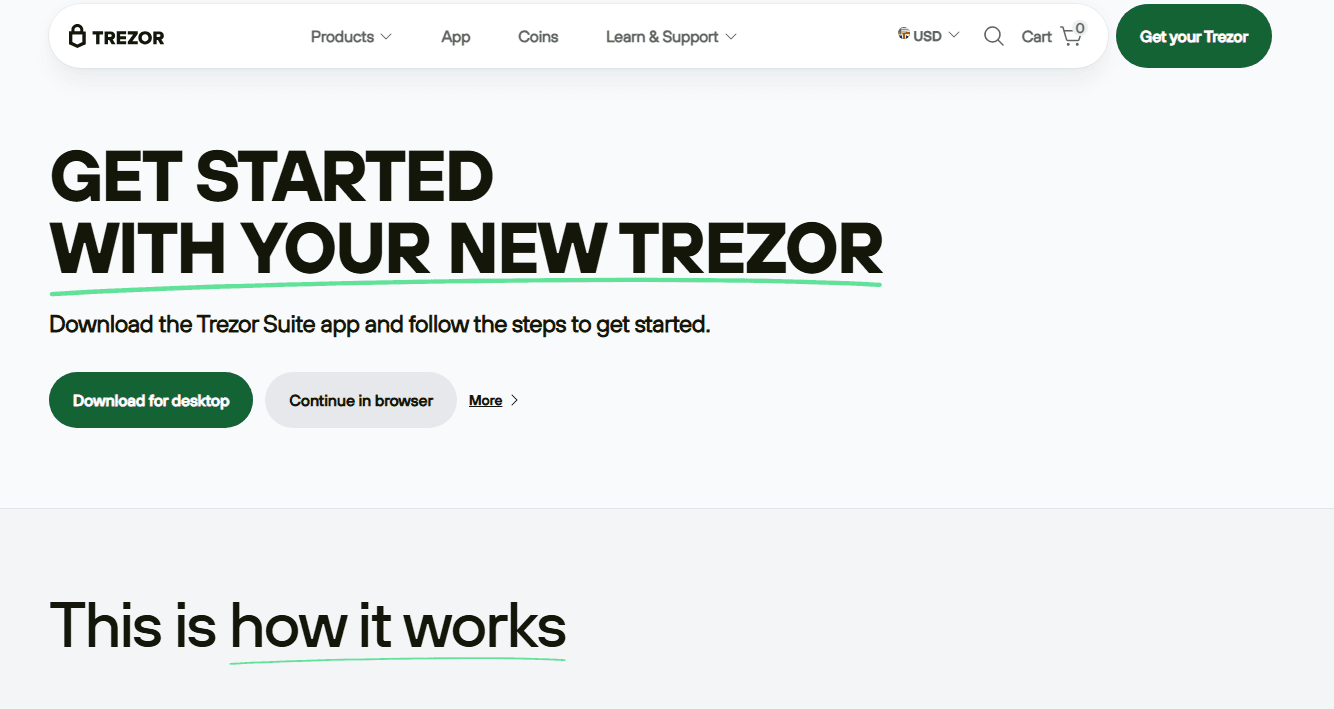
Trezor.io/start: Your Complete Guide to Setting Up a Trezor Hardware Wallet
In the world of cryptocurrencies, security is more important than ever. With digital assets growing in popularity, the risk of hacks, phishing scams, and unauthorized access continues to rise. To protect crypto securely, hardware wallets have become a trusted solution — and Trezor is one of the most respected names in this space. If you’ve purchased a Trezor device, the official setup journey begins at Trezor.io/start. This guide will walk you through what that page is for, how to use it properly, and what to expect during setup.
Trezor.io/start is the official onboarding page for all Trezor hardware wallets, including the Trezor Model One and Trezor Model T. This page ensures that you configure your wallet correctly using trusted software directly from the manufacturer. It also protects users from counterfeit apps and fake download links that scammers often use to steal wallet credentials.
When you visit the page with your Trezor device in hand, you’ll be guided step-by-step through installation, firmware updates, wallet creation, and security procedures such as generating a recovery seed. Understanding this process clearly will help you safeguard your crypto from day one.
1. Unboxing and Connecting Your Trezor Device
Once you open your Trezor box, you will find the hardware wallet, a USB cable, and recovery seed cards. Before doing anything else, check that your device packaging hasn’t been tampered with. Trezor devices are shipped with protective seals to prevent interference. If you notice signs of manipulation or the device appears previously used, stop immediately and contact Trezor support.
After confirming the packaging is secure, connect your Trezor to your computer using the included cable. The screen on the device should power on and prompt you to visit Trezor.io/start. Always type the address manually into your browser — never click a random link you found online.
2. Installing Trezor Suite
At Trezor.io/start, you will find the download for Trezor Suite. This is the official wallet management software designed to interact securely with your hardware wallet. Trezor Suite is available for Windows, macOS, and Linux, so choose the version matching your system.
Avoid downloading from third-party websites. Using only the official Trezor Suite app reduces the risk of malware that might attempt to steal your data.
Once installed, launch the software. The interface is simple, with clear options guiding you through setup. If your device is brand-new, it will not contain firmware yet. Trezor Suite will prompt you to install the latest firmware for security and functionality. Simply follow the on-screen instructions as the device updates.
3. Creating a New Wallet
After your firmware is installed, you can create your crypto wallet. Trezor Suite will present the option to set up a fresh wallet on your device. The most important step during this process is generating your recovery seed.
The recovery seed is a 12, 18, or 24-word phrase that acts as the master key to your wallet. If you ever lose or damage your Trezor, you can restore complete access to your crypto using this seed. Write it down carefully on the provided cards — never save it digitally, never take photos of it, and never share it with anyone. If someone gains access to those words, they can fully take control of your assets.
Trezor will make you confirm each word to ensure accuracy. Store the written seed safely in a secure location like a locked drawer or safe. Treat it like the most valuable part of your entire crypto setup.
4. Adding Crypto and Managing Your Wallet
With the device initialized, you’re ready to receive cryptocurrency. The Trezor Suite dashboard displays supported coins and allows you to generate unique receiving addresses. Always verify receiving addresses on the Trezor screen itself before sending funds. The hardware device ensures the address is legitimate and prevents interference from malicious software.
From here, you can track your crypto portfolio, initiate transactions, and manage digital assets. Trezor Suite provides additional privacy features, including Tor integration for advanced security users. The software also includes market price tracking and simple portfolio visualization, helping you monitor your investments in one location.
5. Important Security Tips for Trezor Users
While Trezor.io/start provides a safe setup foundation, users must maintain good security habits:
Always store your recovery seed offline.
Do not share your PIN or seed with anyone — no legitimate service will ever ask for them.
Beware of phishing websites pretending to be Trezor.
Bookmark Trezor.io/start and only update software through official links.
If your device requests your recovery seed during normal usage, stop — this is a scam. The seed is only entered on the device itself when recovering a lost wallet.
Maintaining awareness and caution ensures maximum protection for your crypto.
6. Troubleshooting and Support
If you encounter issues during setup, Trezor’s support website offers comprehensive guides and community resources. Common topics include firmware update errors, USB connection issues, and wallet recovery procedures. Always consult official help pages rather than random tutorials, especially when dealing with recovery instructions.
Conclusion
Trezor.io/start plays a crucial role in ensuring that your hardware wallet is set up securely and correctly. By following the steps provided — installing Trezor Suite, generating a recovery seed, and applying strong security practices — you create a safe environment for your cryptocurrency storage. Hardware wallets remain one of the strongest defenses against theft and hacking, and Trezor makes that protection accessible even for beginners.
Your crypto is only as safe as your security practices. By beginning your Trezor journey at Trezor.io/start and handling your recovery seed carefully, you can enjoy the benefits of digital assets with peace of mind.